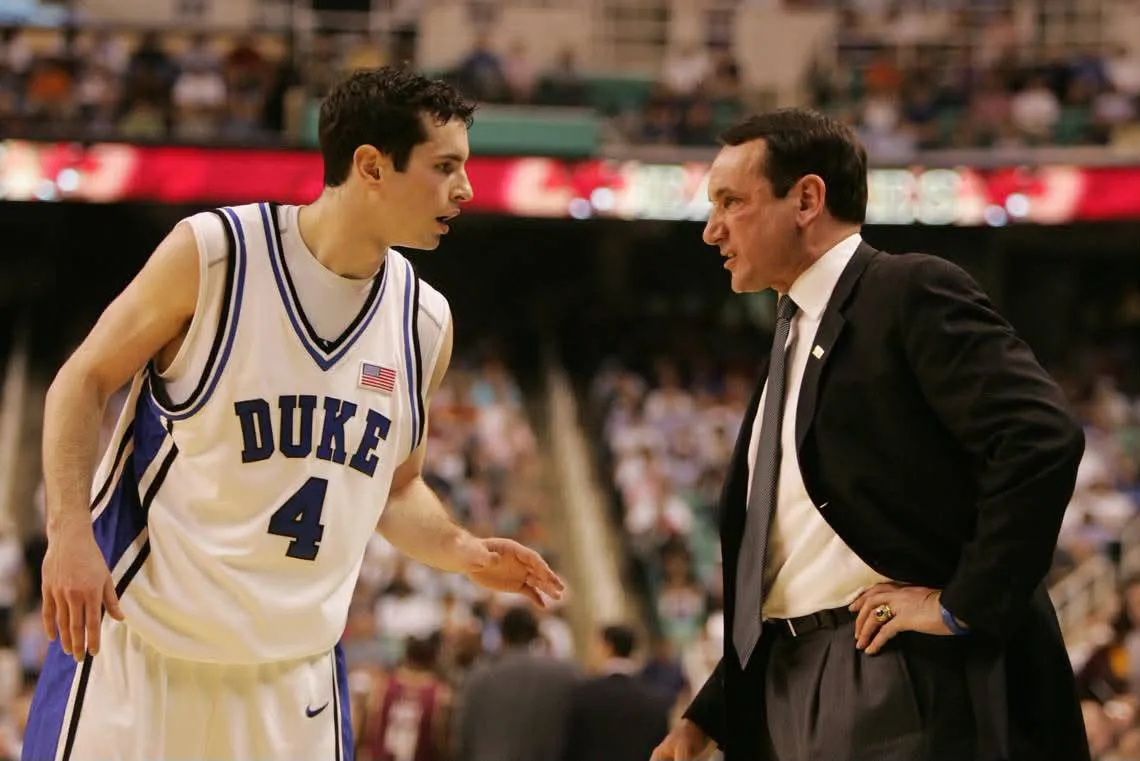
Coaches prioritize coachability
One of the biggest things we focus on in basketball—whether it’s in your high school gym or on the professional court—is coachability. Plain and simple: we value players who are open to feedback, eager to learn, and willing to adjust their skills to meet the needs of the team. This is especially true when we’re talking about tryouts and making roster decisions. At the end of the day, the difference between talented players and those ready to grow can really shape how well our team performs.
Some players, though, get a bit too comfortable in their own skin and think they know it all. They might feel their skills are enough and that extra effort or a coach’s advice isn’t really necessary. This attitude doesn’t just slow down their own progress—it can also create friction for the whole team. Coaches like me are left to weigh not only your talent but also your willingness to listen and learn.
Observations on Coachability
Here’s the deal: when players think they’re above learning or adapting, they miss out on the crucial relationship between player and coach. You can see this during drills, scrimmages, and feedback sessions. Those who aren’t ready to listen can easily overlook ways to sharpen their game. Coachability isn’t just about accepting advice; it’s about understanding strategy, knowing your role, and being open to constructive criticism.
Take a high school basketball tryout, for example. Sure, a player might come in with killer shooting skills. But if that player ignores a coach’s advice on defense or brushes off teamwork tips, their chances of making the team drop fast. Coaches are looking for more than just talent; we want athletes who can adapt and embrace challenges.
The Cost of Ignoring Coachability
Ignoring coachability can create a ripple effect that hits everyone involved—players, coaches, and the whole team. If coaches feel pressured to form a solid unit, we’re less likely to invest time and energy in players who resist growth. This puts everyone in a tough spot. When a player lacks humility and doesn’t see the value in learning, they aren’t just shortchanging themselves; they can create some serious issues within the team dynamic.
It’s clear that player selection is about more than just talent. Teams that focus on building a culture of coachability can really set themselves apart. Players who engage with coaches usually develop more versatile skills, which leads to better decision-making on the court, stronger defensive plays, and the ability to adapt to different roles when the strategy calls for it.
High Performers Still Seek Guidance: A Lesson from Golf
Let’s not forget: the importance of coachability truly matters. Even the best of the best—like Tiger Woods—get this. At the height of his career, he relied on a swing coach to sharpen his technique, spot flaws, and keep his game on point. His willingness to learn, even with all his talent and skill, is a lesson we can all take to heart.
In basketball, a player might have the natural gifts and athleticism to shine. But if they think they’ve hit their ceiling and resist listening to coaching, they’re putting a cap on their own growth. Good coaches lead sessions that push you beyond your comfort zone, encouraging you to hone your skills. Without that commitment to improving, even the most talented players might plateau, and that can hurt the whole team.
Humility Goes Hand in Hand with Growth
Let’s talk about humility for a second. It goes hand in hand with coachability. Players who realize there’s always room for improvement are the ones who come to training ready to soak up knowledge. They ask for feedback and look for ways to level up their game. This mindset not only fosters growth but also builds a positive team culture.
When players embrace humility, we create an environment where everyone is lifting each other up. When everyone’s willing to learn from coaches and from one another, we become a more resilient unit. That resilience shows up in teamwork and leads to better performance on the court.
Embracing the Feedback Loop
Feedback is essential in any development process, folks. For us coaches, it’s crucial to dish out constructive feedback regularly—whether it’s during practice, right after games, or in those one-on-one talks. Constructive remarks do two things: they reinforce what’s working and shine a light on spots needing improvement.
The best coaches create spaces where players feel comfy getting feedback. This might mean running drills that put you in high-pressure situations, just to highlight areas we can work on. Players who can take feedback without getting defensive are usually the ones committed to growth. Instead of seeing criticism as a personal jab, they view it as a chance to improve.
Talent vs. Coachability: A Critical Choice
The struggle between relying solely on talent and valuing coachability is real in the world of basketball. Teams that go after only the naturally gifted players might snag some wins at first, but sustainable success needs more than just raw talent. It’s clear all successful teams strike a balance between talent and a strong emphasis on coachability.
Many organizations get how inefficient it is to make roster decisions based only on isolated talent metrics. We keep a close eye on players’ willingness to learn, collaborate, and take direction. When we’re selecting players, we also look at how open you are to feedback, not just how many points you can score or how many rebounds you grab.
Final Thoughts: A Durable Lesson
Here’s the bottom line: coachability is essential for success in sports—especially in basketball. As you move through different levels—from youth leagues to more competitive play—understanding how crucial coachability is becomes vital.
Just like top performers in any field, basketball players need to consistently strive to refine their skills. Seek out those teaching moments. Don’t shy away from feedback. Embracing coachability leads to resilience, adaptability, and growth.
Run your club on one platform. PlayerOps handles tryouts, roster, schedule, and parent comms so you can focus on coaching. Start your club →